NER · CALIFORNIA HOMEOWNER GUIDE
Home AI Compute Hosting in California: Solar, Eligibility and Income Potential
Could your next solar project include an AI compute income opportunity?
By Izz Issa, founder of NER · October 31, 2026 · 5 min read
Check My Home’s Eligibility →California availability is subject to property and program approval. Qualifying new solar required; financing approval if financed.
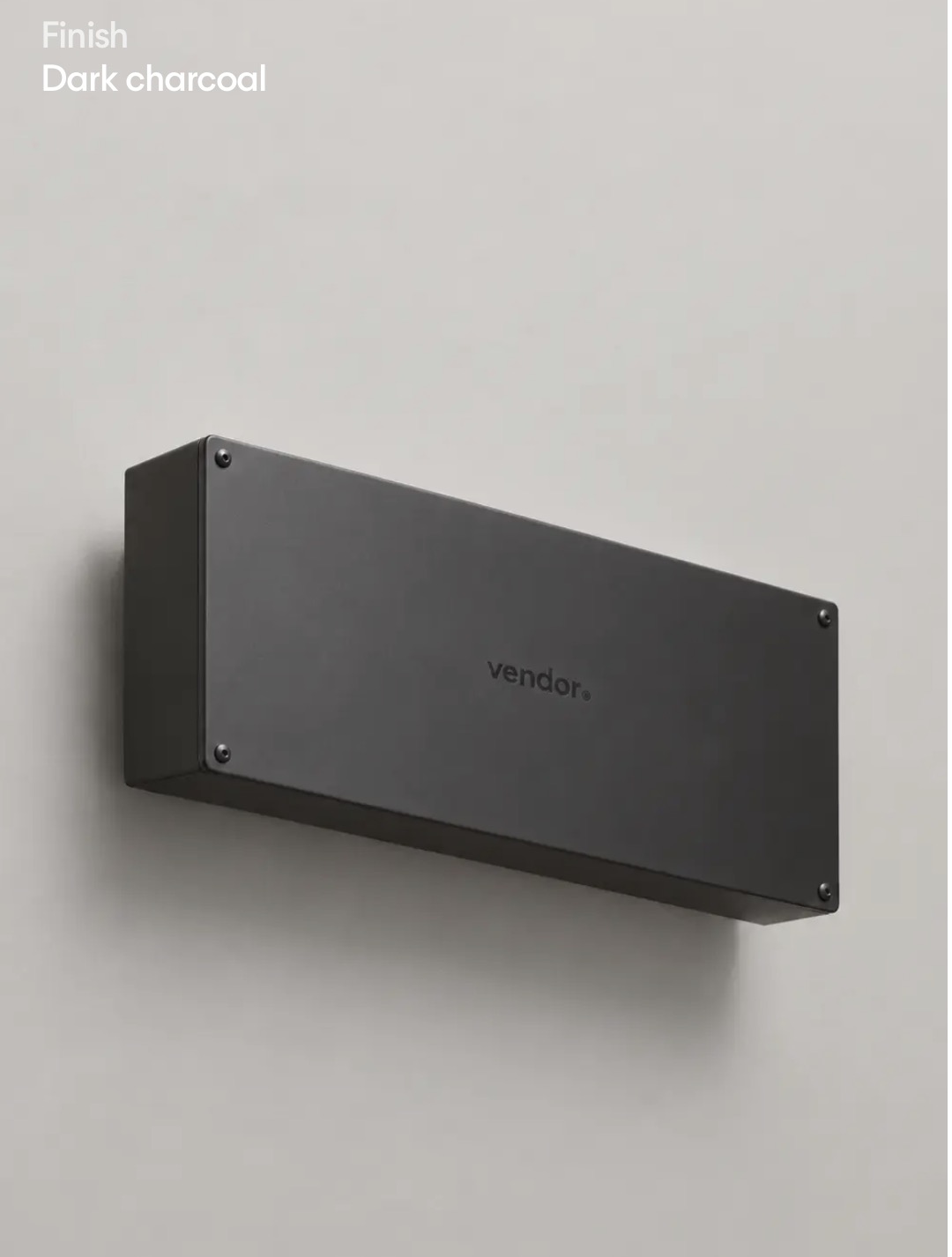
AI runs on physical computing equipment. NER helps qualifying California homeowners explore hosting a professionally managed GPU appliance alongside a qualifying new solar installation. The operator manages the computing work; the homeowner provides an approved location, electricity and connectivity.
This guide connects the technology with the decisions that matter for a California home: your utility, solar design, installation conditions, total project costs and written hosting terms.
What does a home AI compute node do?
The operator routes approved paid computing workloads to the appliance. Paid utilization and collected revenue determine the hosting payout under the agreement. The homeowner does not need to find AI customers or personally operate a data center.
Program materials reference NVIDIA RTX PRO 6000 Blackwell technology. The Workstation Edition reference has 96GB GDDR7 ECC memory and 24,064 CUDA cores; your proposal identifies the actual installed edition and configuration. Managed hosting does not establish personal gaming or cryptocurrency-mining access.

Why does California utility planning matter?
Your electric rate, usage schedule and solar export treatment affect the project design. For PG&E, SCE and SDG&E customers on the Solar Billing Plan, electricity imported from the grid and solar exported to the grid receive different billing treatment. CPUC explains that export compensation is usually below the retail rate, with some high-value hours. Using or storing solar energy at suitable times can affect the result.
The node adds an electrical load, so the proposal should evaluate household demand and hosting together. Adding a node does not by itself establish a savings result. Battery suitability, remaining utility charges and the project’s actual rate assumptions belong in the review.
Municipal utilities, other providers, community choice arrangements and existing solar customers can have different rules. Tell NER your ZIP code and utility; a California address alone does not establish eligibility.
Can California homeowners use a solar lease?
Qualifying solar lease options are available for selected California projects paired with home AI compute hosting. Availability, pricing and approval depend on the property, provider and project. NER also reviews applicable purchase or financing options.
The solar lease and node-hosting agreement are separate. Review the monthly solar payment, term, any escalator, transfer requirements and end-of-term options in the actual proposal. A lease does not establish a fixed compute payout. NER also offers qualifying lease options in select other states, including New Jersey.
What could hosting income look like?
Program illustrations use approximately $600–$800 in monthly homeowner compute payouts alongside an illustrative $300–$400 solar payment. These are assumed scenarios, not verified customer outcomes or fixed payouts. Electricity, internet, taxes, compute pricing, utilization and permitted deductions affect what remains.
Keep the solar obligation and hosting agreement distinct. A separate solar loan remains payable under its own terms, including if hosting ends. Review the full purchase, financing or lease terms, rather than treating an illustrated payout as a solar-payment guarantee.
What is covered by written bill protection?
The hosting provider’s written protection addresses contract-defined eligible electricity-cost shortfalls and qualifying required internet increases relative to a documented pre-program baseline, after compute earnings are applied, during eligible active hosting—including zero compute income.
The signed agreement defines covered costs and timing. It does not promise a fixed compute payout or reimbursement of every household expense. NER helps review how your proposed solar financing payments are treated before you commit.
What does NER review for a California home?
- Property and location: homeowner status, ZIP code and provider availability.
- New solar: roof suitability, shade, usage history, utility treatment and the proposed design.
- Hosting: approved installation space, electrical load, internet requirements and equipment access.
- Costs and agreements: full project pricing, financing approval if financed, payout terms and provider responsibilities.
NER can review inquiries from Los Angeles, San Diego, the Bay Area, Sacramento, the Inland Empire and other California locations. This is an eligibility review, not a promise of installation availability in every city. NER is based in Morrisville, North Carolina and coordinates through provider partners.
Common California homeowner questions
Can I get only the node? This offer requires qualifying new solar. Existing solar or a battery-only project does not by itself qualify.
Will solar eliminate my utility bill? The proposal must account for grid imports, export credits and remaining charges. Solar does not automatically eliminate every utility charge.
Do I need financing? Qualifying solar leases may be available for selected California projects. Financing approval applies if you choose a loan; lease and project approval apply if leasing. Your proposal identifies the available options.
Who operates the equipment? The third-party hosting operator manages the network and owes the contractual provider protection. Provider identities and binding responsibilities are disclosed during proposal review.
California homeowner? Explore your home’s fit.
Start with your state, ZIP code and utility. No obligation from an inquiry.
Check My Home’s Eligibility →