NER INSIGHTS · AI INFRASTRUCTURE
From Data Centers to Doorsteps: The Case for Home AI Compute
AI use is multiplying. Could your home help power what comes next?
By Izz Issa, founder of NER · October 30, 2026 · 5 min read
The AI boom needs more than smarter software. It needs somewhere to run.
Every generated image, AI assistant response and business automation depends on physical computing equipment. Behind the screen are processors, electricity, cooling and network connections.
NER introduces qualifying homeowners to professionally managed home AI compute hosting paired with qualifying new solar. The opportunity starts with a practical question: could your home support a small part of that infrastructure?
The demand story is bigger than chatbots
Training creates or adapts an AI model. Inference uses that model to produce an answer, image, prediction or other result. As AI tools become everyday services, running models becomes an ongoing computing task.
At Google I/O in May 2026, Google reported processing more than 3.2 quadrillion tokens monthly across its surfaces, up from 9.7 trillion two years earlier—more than 300 times as many. Tokens are units of data processed by models; their count is a usage indicator, rather than a direct measure of GPU-hours or revenue.
Large infrastructure commitments reflect the same momentum. In July 2025, OpenAI and Oracle announced an agreement to develop 4.5 gigawatts of additional U.S. Stargate data center capacity. That was capacity under development, not a statement that every announced facility was operating.
Power is part of the AI opportunity
The International Energy Agency describes a rapid expansion in AI infrastructure alongside rising data center electricity demand. Electricity is a major constraint; cooling, connectivity, deployment readiness and customer access also determine whether a site can deliver useful work.
A residential node needs dependable power and internet, suitable installation conditions and a provider capable of securely routing compatible paid workloads. Solar is evaluated as part of the home’s energy design. It does not mean the node runs only when the sun shines or that all electricity costs disappear.

Distributed computing has a technical foundation
NVIDIA describes AI grids that connect large AI facilities, regional hubs and edge sites, placing workloads where they perform best. Distributed infrastructure can serve different technical needs from a single centralized facility.
This broader architecture supports the idea of computing across locations. It does not establish that a particular residential hosting provider has paying customers, or that every AI workload can run in a home.
The reference NVIDIA RTX PRO 6000 Blackwell Workstation Edition has 96GB GDDR7 ECC memory and 24,064 CUDA cores. Hardware supplies capacity. Workload demand, utilization, operating conditions and the hosting agreement determine how that capacity earns revenue.
For a deeper hardware look, read NER’s Blackwell GPU and home compute income brief.
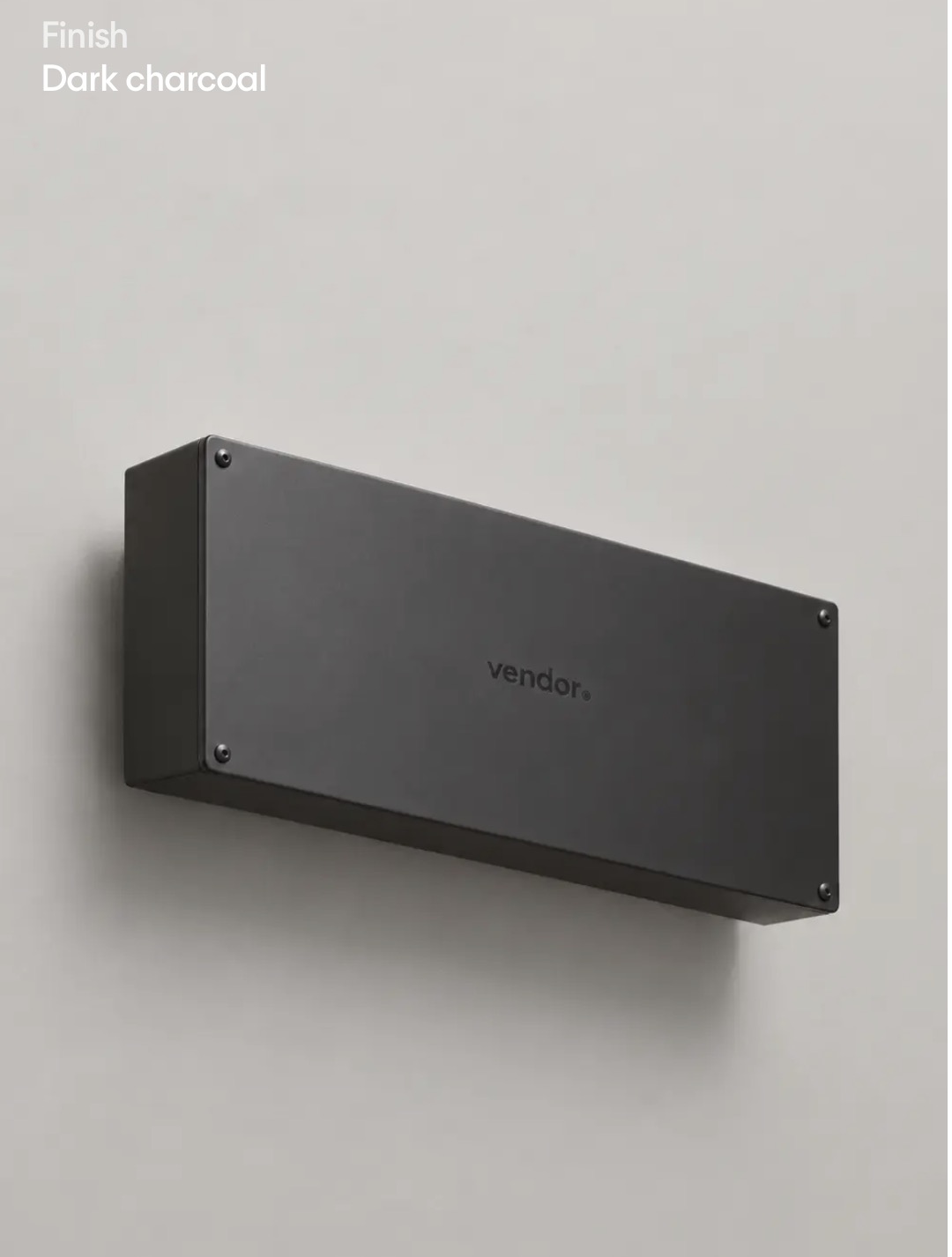
What could paid computing mean for your home?
Program examples illustrate $600–$800 in monthly homeowner compute payouts and a $300–$400 monthly solar payment. These are assumptions, not verified customer outcomes or fixed payouts. Utilization, compute pricing, permitted deductions, electricity, internet, project costs and taxes affect the result. Solar financing remains a separate obligation.
The provider’s written bill protection covers contract-defined eligible electricity-cost shortfalls and qualifying required internet increases relative to the documented pre-program baseline, after compute earnings are applied, during eligible active hosting—including zero compute income. It is separate from a fixed earnings promise; the signed agreement defines its scope.
NER helps homeowners review the proposed equipment, provider responsibilities, installation requirements, payout structure, solar design and written protection together.
The next step starts with your home
NER serves eligible homeowners in California, Colorado, Connecticut, Florida, Hawaii, Illinois, Maryland, Massachusetts, New Jersey, North Carolina, Texas and Virginia, with a local focus on Raleigh and the Triangle.
Qualifying new solar and program approval are required; financing approval applies if financed. Property, electrical, internet and installation requirements are confirmed through the project review.
Could your home host AI compute?
Explore your home’s fit with Izz Issa and NER.
Check My Home’s Eligibility →