NER TECH BRIEF · HOME AI COMPUTE
NER Highlights NVIDIA’s 96GB Blackwell GPU With 24,064 CUDA Cores. Now Let’s Talk Compute Income.
Gamers see horsepower. Crypto miners see earning potential. NER sees a new opportunity for qualifying homeowners.
By Izz Issa, founder of NER · October 27, 2026 · 5 min read
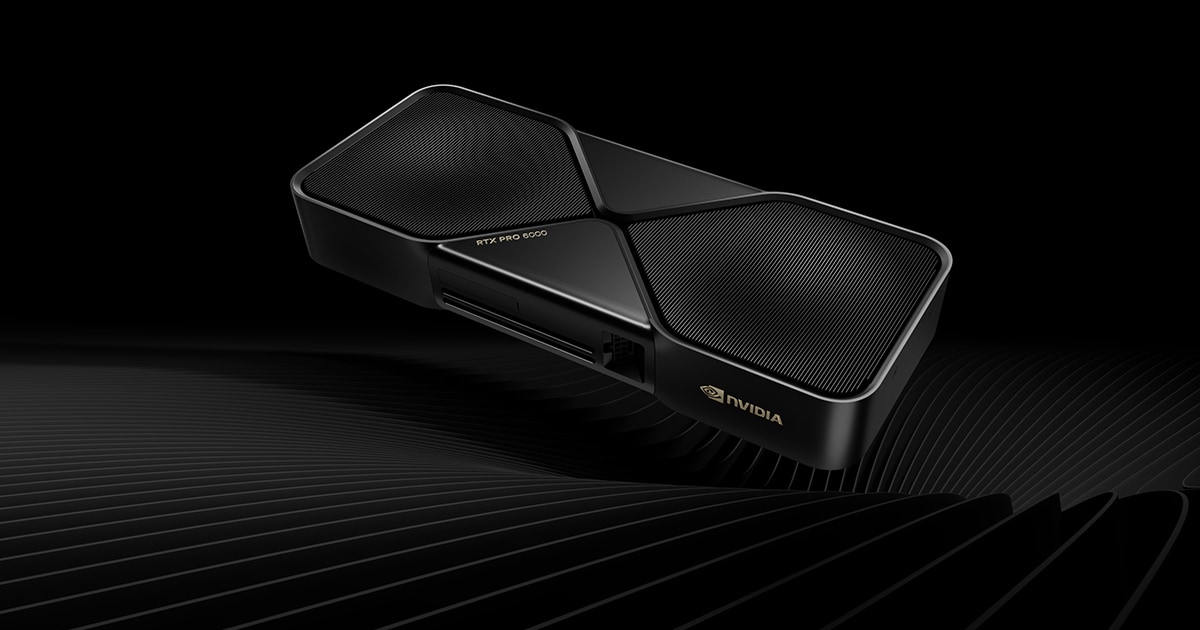
If you have ever compared CUDA cores, tuned a gaming rig or calculated a mining setup’s power costs, you already understand something essential: powerful hardware becomes more interesting when it has productive work to do.
Meet the NVIDIA RTX PRO 6000 Blackwell GPU family. Its flagship Workstation Edition combines 96GB of GDDR7 memory with 24,064 CUDA cores and professional AI acceleration.
The new conversation: turning GPU-hours into AI compute revenue.
Under the hood: serious Blackwell specifications
| Specification | Workstation Edition |
|---|---|
| Architecture | NVIDIA Blackwell |
| CUDA compute capability | 12.0 (SM 120) |
| CUDA cores | 24,064 |
| Tensor cores | 752 · fifth generation |
| Ray-tracing cores | 188 · fourth generation |
| GPU memory | 96GB GDDR7 with ECC |
| Memory bandwidth | 1,792 GB/s |
| Peak FP32 performance | Approximately 126 TFLOPS |
| Maximum board power | 600W |
Specifications are for the Workstation Edition. Max-Q and Server editions have different power and performance characteristics. GPU board power excludes the rest of the node.
Why 96GB gets hardware enthusiasts’ attention
VRAM is working space. AI model weights, context and other resources consume that space quickly. More capacity can accommodate larger models, larger batches or more demanding workflows, depending on the software and configuration.
The older RTX 6000 Ada has 48GB of GPU memory. The RTX PRO 6000 Blackwell Workstation Edition doubles that capacity to 96GB. It also brings a newer architecture and fifth-generation Tensor Cores.
CUDA 12.0 capability—and yes, FP8 support
NVIDIA lists the RTX PRO 6000 Blackwell family at CUDA compute capability 12.0. This describes GPU hardware features; it is separate from the installed CUDA Toolkit version.
Its Tensor Cores support FP8 operations, with supported software enabling low-precision AI workflows, including training. Blackwell also adds FP4 capabilities. The practical question is whether your chosen model, framework and kernels support the exact GPU and precision format.
For compatible workloads, lower precision can reduce memory requirements and accelerate computation. Real performance still depends on the workload, software, cooling and power configuration.
From hashrate to paid AI workloads
Crypto miners understand hardware, power, cooling, uptime and utilization. AI compute brings those same operating questions to workloads such as model inference, image generation and rendering.
The useful metric becomes paid workload utilization. Hardware supplies capacity; customer demand, actual usage and the hosting agreement determine how that capacity earns revenue.
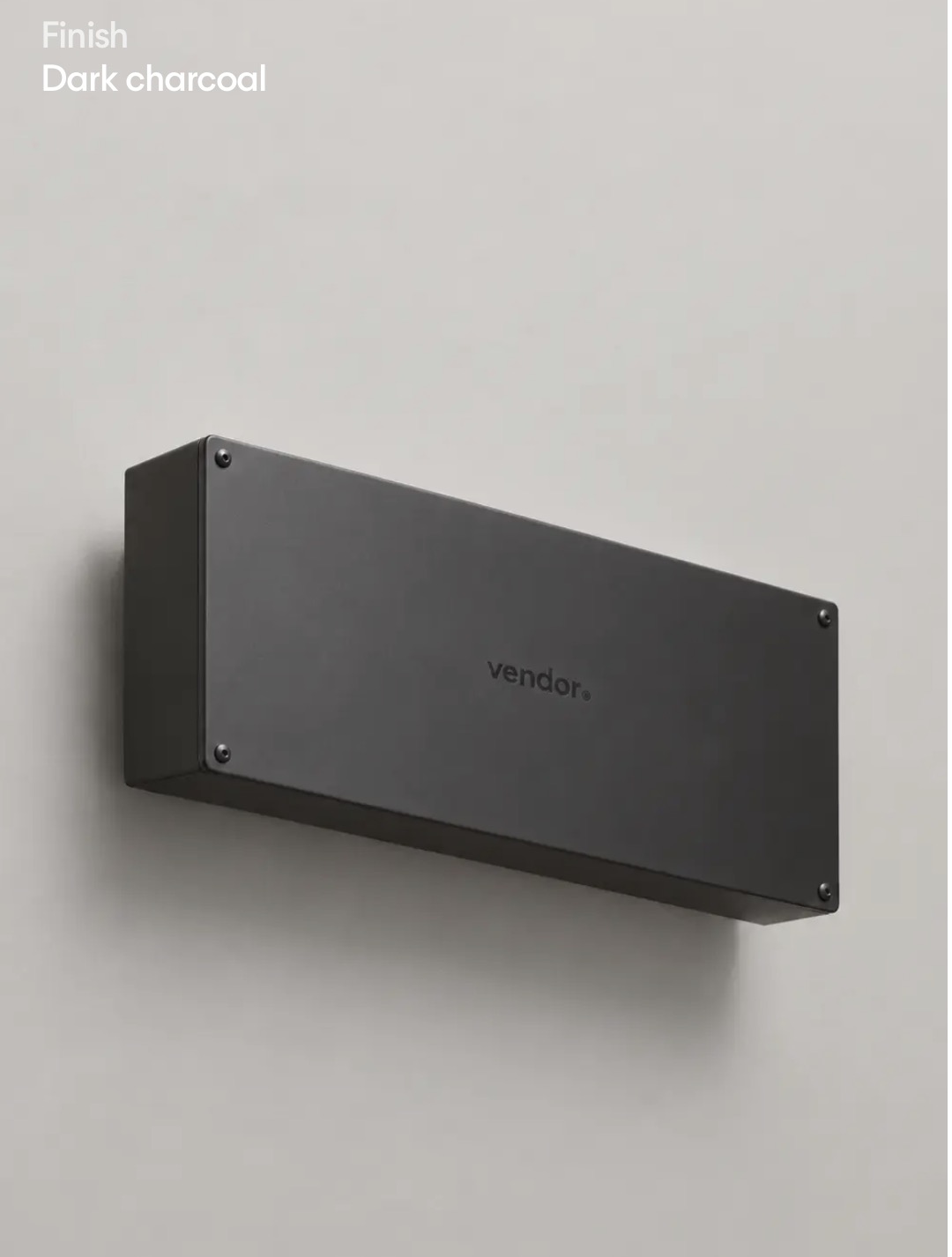
That is where NER’s homeowner opportunity comes in: a managed compute node paired with qualifying new solar, hosting approved network workloads.
Now let’s talk compute income
Program illustrations show approximately $600–$800 in monthly homeowner compute payouts under specified operating assumptions. Pair that with an illustrative $300–$400 monthly solar payment, and the opportunity becomes easier to visualize:
| Compute payout | Solar payment | Remaining before other costs and taxes |
|---|---|---|
| $600 | $300 | $300 |
| $800 | $400 | $400 |
Illustrations are not fixed monthly payouts or take-home profit. Utilization, compute rates, permitted deductions, project pricing and taxes affect results. The separate solar payment remains an obligation under its agreement.
The hosting agreement also includes written provider bill protection for defined eligible electricity-cost shortfalls and qualifying required internet increases relative to the documented pre-program baseline, after compute earnings are applied. Review that protection alongside the payout structure and solar terms.
Your home. The AI economy. Start with NER.
The hardware gets your attention. The project details determine the fit. NER helps you review your home, installation requirements, power and internet needs, qualifying solar and the written agreements.
Available to eligible homeowners in California, Colorado, Connecticut, Florida, Hawaii, Illinois, Maryland, Massachusetts, New Jersey, North Carolina, Texas and Virginia.
Could your home participate?
Explore the home AI compute opportunity with Izz Issa and NER.
Check My Home’s Eligibility →