ROOFING + SOLAR
Should You Replace Your Roof Before Going Solar in Raleigh?
By Izz Issa, Home Energy & Renovation Advisor · September 25, 2026 · 7 min read
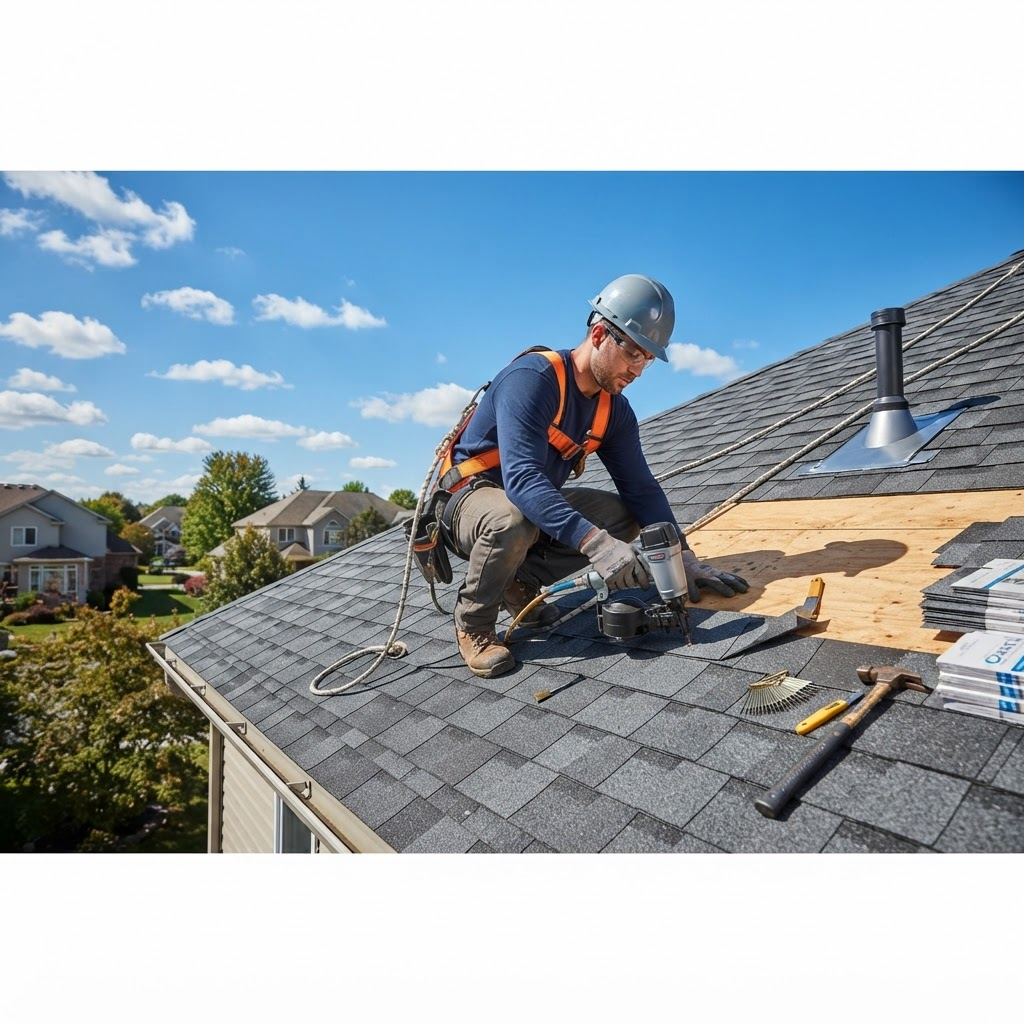
Roof First or Solar First? Start With the Condition of the Roof
If you are considering rooftop solar in Raleigh or anywhere across Central North Carolina, the roof beneath the panels deserves attention before equipment is designed or installed. Solar panels can remain in service for decades, so installing them over a roof that may need replacement soon can create avoidable cost and scheduling problems later.
The short answer is simple: a newer roof in sound condition may be ready for solar, while an older or damaged roof should be evaluated before the solar project moves forward. The right decision depends on the roof's age, materials, warranty, storm history, and current condition—not on age alone.
Why the Order of Work Matters
When a roof needs replacement after solar panels are already in place, the solar equipment normally must be removed before roofing work begins and reinstalled afterward. That adds labor, coordination, and downtime to a project that could have been planned more efficiently from the start.
The U.S. Department of Energy advises homeowners to consider roof age and remaining service life before going solar, and notes that installing solar at the same time as a roof replacement can sometimes save money. Coordinating the two projects also gives the roofing and solar teams a chance to plan flashing, attachment locations, vents, drainage, and usable roof space together.
Signs Your Roof Should Be Evaluated Before Solar
A professional roof evaluation is especially important if you notice any of the following:
- Missing, curling, cracked, or heavily worn shingles
- Active leaks, ceiling stains, or signs of moisture in the attic
- Soft decking, sagging areas, or visible structural concerns
- Repeated storm or hail damage
- A roof warranty that may be close to expiring
- An asphalt-shingle roof approaching the end of its expected service life
- Planned additions, dormers, skylights, or other renovations that could change the roof layout
None of these signs automatically means the full roof must be replaced. They do mean the roof should be reviewed before a final solar layout is approved.
Questions to Ask Before Making the Decision
Ask the roofing professional:
- What is the roof's current condition and estimated remaining service life?
- Are repairs enough, or is replacement likely within the expected life of the solar system?
- Will solar attachments affect the roof or workmanship warranty?
- Are there vents, weak areas, or drainage issues that should be addressed first?
Ask the solar advisor or provider partner:
- Has the proposed array been designed around roof planes, vents, shade, and setbacks?
- Who is responsible if panels ever need to be removed and reinstalled?
- How are roof penetrations flashed and protected?
- Can roofing and solar work be scheduled as one coordinated project?
- What documentation and warranties will the homeowner receive?
Raleigh-Area Weather Makes Planning Important
Central North Carolina roofs experience heat, humidity, heavy rain, wind, and periodic hail or tropical-storm conditions. A roof may look acceptable from the ground while still having aging shingles, flashing issues, or storm damage that deserves closer inspection.
Before moving forward, homeowners should review recent storm history, insurance-claim documentation, and any prior repair records. If an insurance claim may be involved, understand the scope and approval process before authorizing unrelated work.
When You May Not Need a New Roof
A complete replacement may not be necessary when the roof is relatively new, has no active leaks or structural issues, retains meaningful service life, and is compatible with the proposed mounting system. In that situation, careful documentation and a coordinated installation plan may be enough.
The goal is not to replace a sound roof unnecessarily. The goal is to avoid placing a long-term energy system over a roof that is already near the end of its useful life.
A Better Planning Sequence
For most homeowners, the most efficient order is:
- Inspect the roof and document its condition.
- Resolve active leaks, storm damage, or structural concerns.
- Decide whether repair or replacement should happen before solar.
- Coordinate roof details with the solar design.
- Confirm permits, warranties, scheduling, and responsibilities in writing.
- Complete the work in the agreed sequence.
Planning both projects together helps reduce surprises and gives every contractor a clearer scope.
Talk With One Point of Contact
National Energy Renovations helps Raleigh-area homeowners coordinate solar, battery storage, roofing, and renovation decisions through one point of contact. We can help you understand the sequence, compare options, and connect the right project partners before work begins.
If you are unsure whether your roof is ready for solar, request a no-obligation consultation. We will help you identify the questions that should be answered before you commit to either project.
Ready to build a coordinated plan?
Request a consultation with National Energy Renovations.
Request a Consultation →